
Brief Summary
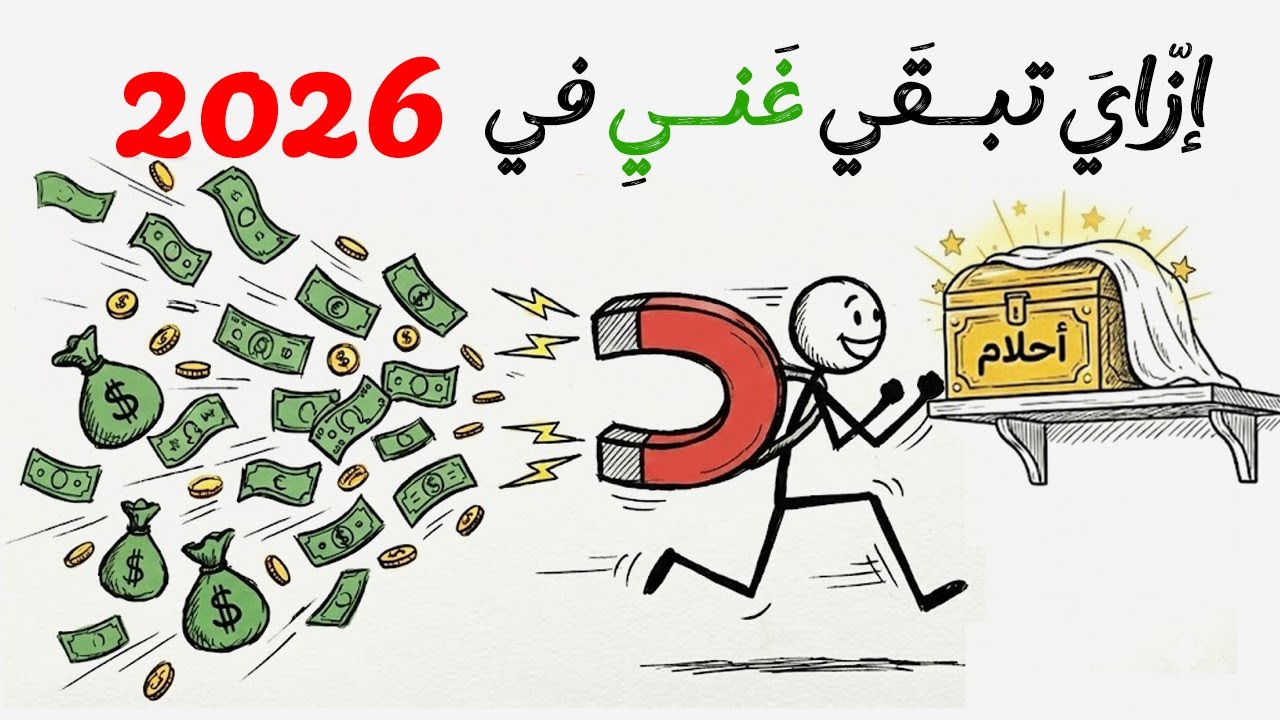
The video challenges the popular notion of "following your passion," especially in challenging economic times. It argues that this advice can be a trap, leading to financial instability. Instead, it advocates for a strategic approach: securing financial stability through a practical job and then using that foundation to pursue passions. The video provides actionable steps to achieve this balance, emphasizing the importance of financial security as a prerequisite for creative freedom and long-term success.
- Prioritize financial stability over immediate passion.
- View your job as a means to fund your passions.
- Develop a "survival skill" that is in demand.
- Protect your passion by not forcing it to generate income prematurely.
Introduction: The "Follow Your Passion" Myth
The video starts by addressing the common advice to "follow your passion and the money will follow." It critiques this idea as unrealistic, especially given the current economic climate. The speaker argues that blindly following this advice can be detrimental to one's financial future, calling it a "crime" against your future financial well-being. The video aims to provide a balanced perspective, advocating for a strategic approach to integrate passion with financial stability.
The Romantic Ideal vs. Economic Reality
The speaker contrasts the modern expectation of finding a career that is both fulfilling and financially rewarding with the more pragmatic approach of previous generations. Social media often portrays success as working from exotic locations and making millions from hobbies, which creates a skewed perception. This is an example of survivorship bias, where we only see the success stories and not the many failures. In reality, passion is a luxury that requires financial stability, especially in a struggling economy.
The Market's Perspective: Value Over Passion
The video emphasizes that the market is indifferent to personal passions. The market only cares about the value you provide and whether people are willing to pay for it. If your passion doesn't translate into a marketable skill or service, it remains a hobby. The speaker highlights the importance of identifying what people need and are willing to pay for, rather than solely focusing on personal interests.
Reframing Your Perspective: The Job as a Funding Source
The video suggests reframing your current job as a funding source for your passions. Instead of viewing it as a prison, see it as an "angel investor" for your life's projects. This shift in perspective can alleviate the feeling of being trapped and empower you to use your job to achieve your dreams. By providing financial security, a mundane job enables you to pursue your passions with less pressure.
Practical Steps: Skills, Detachment, and Investment
The video outlines a three-step plan:
- Choose a "Survival Skill": Acquire a skill that is in demand and pays well, even if it's not your passion. The goal is to maximize income for the time invested.
- Emotional Detachment: Separate your self-worth from your job performance. This helps prevent burnout and allows you to conserve emotional energy for your passions.
- Invest After Hours: Use the money earned from your job to develop your passion. This turns your passion into a side hustle without the immediate pressure to generate income.
The Danger of Prematurely Monetizing Passion
The speaker warns against turning a hobby into a job too quickly. This can lead to "overjustification effect," where the activity becomes associated with stress and obligation, diminishing the original enjoyment. It's better to keep your passion as a "secret lover" until it's financially viable to fully commit to it.
When to Transition: The Financial Equation
The video specifies two conditions that should be met before transitioning to pursuing your passion full-time:
- Consistent Income: The income from your passion should cover your basic expenses for at least three consecutive months.
- Emergency Fund: You should have enough savings to cover six months of expenses in case of unexpected financial difficulties.
Meeting these conditions ensures that you are moving from a position of strength, not desperation.
Conclusion: Strategy and Resilience
The video concludes by emphasizing the need for a strategic and resilient mindset. It's not a betrayal to work a job you don't love to secure your future; it's a responsible decision. Don't let the curated images of success on social media create a sense of inadequacy. The key is to stay in the game long enough to dictate your own terms. Prioritize financial stability to protect your passions and enable you to pursue them freely in the future.

