
Brief Summary
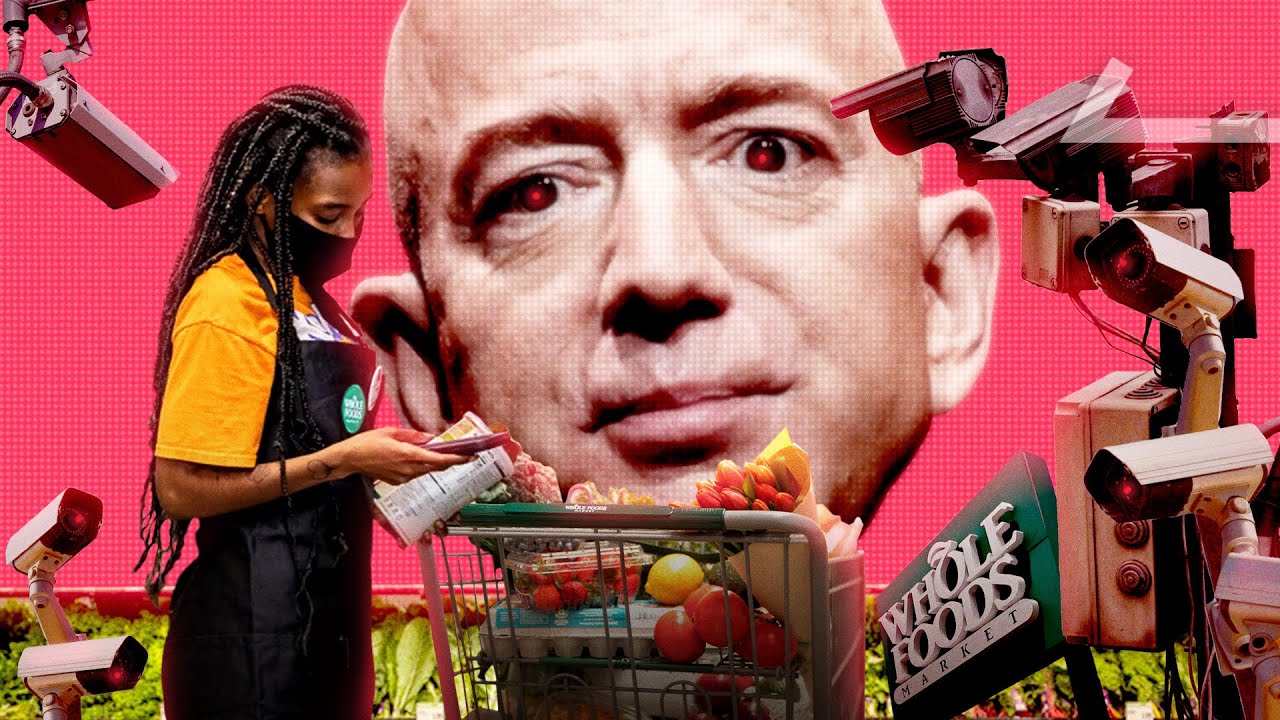
This video explores the experiences of Whole Foods workers in Philadelphia who are organizing to form a union. It highlights issues such as intense surveillance, high-speed expectations, low wages, and the perceived disconnect between the company's progressive image and the reality of working conditions. The workers aim to address these concerns and potentially spark a broader movement within Whole Foods.
- Workers are seeking to unionize due to concerns over pay, working conditions, and feeling undervalued.
- The influence of Amazon's focus on speed and metrics is negatively impacting the work environment.
- The workers hope their efforts will inspire similar actions at other Whole Foods locations.
Intro
Workers at a Whole Foods in Philadelphia are organizing a union, potentially becoming the first unionized Whole Foods. Employees describe a decline in working conditions, with increased pressure and surveillance since Amazon acquired the company in 2017 for $13.7 billion. They feel management treats them more like robots than valued team members, contrasting with Whole Foods' progressive image.
Amazon's Influence on Working Conditions
Since Amazon's acquisition of Whole Foods, a "warehouse mentality" has emerged, emphasizing speed and productivity. E-commerce workers face intense surveillance and pressure to meet targets. The "pick path," a predetermined order for selecting items, is strictly enforced, leading to disciplinary action for deviations. The focus on speed, typical of Amazon's fulfillment centers, has negatively impacted the Whole Foods environment.
Surveillance and Increasing Workload
Workers in the e-commerce department are monitored closely, with metrics like "units per hour" (UPH) dictating their performance. The UPH has increased significantly, from 65 to 100, making it difficult for many to achieve. This pressure to maintain high speeds has led to injuries, with one worker suffering a concussion after hitting her head while rushing to complete an order. Management's response was perceived as uncaring, highlighting a lack of concern for employee well-being.
Impact on Customer Service and Employee Well-being
Cashiers are also tracked using "items per minute" metrics, leading to stress and reduced interaction with customers. This focus on speed contradicts Whole Foods' stated values of providing excellent customer service and a positive shopping experience. Employees feel pressured to prioritize speed over meaningful interactions, diminishing the quality of service.
Low Wages and Financial Struggles
Workers in the produce department describe the physically demanding nature of their jobs, including lifting heavy boxes in cold conditions. Despite their efforts, they feel underpaid, with starting wages around $16 an hour. This is insufficient to cover basic living expenses in Philadelphia, where the estimated living wage for a single person with no children is $22.29 an hour. Many employees must work multiple jobs to survive, and cannot afford to shop at Whole Foods.
Disparity Between Profits and Employee Compensation
Management displays sales figures prominently, highlighting the company's financial success while workers struggle to make ends meet. Employees feel that they are not benefiting from the company's profits, with Amazon reporting a net income of over $30 billion in 2023. This disparity fuels frustration and a sense of being taken advantage of.
Unionization Efforts and Future Hopes
Whole Foods has a history of being anti-union, but workers in Philadelphia are determined to organize with the UFCW. They believe a union will give them a stronger voice and improve their working conditions. Despite the company's "open-door policy," which they see as a tactic to divide workers, they hope to inspire a domino effect, encouraging other Whole Foods locations to unionize as well. The workers emphasize the importance of collective action and standing together to achieve their goals.

