
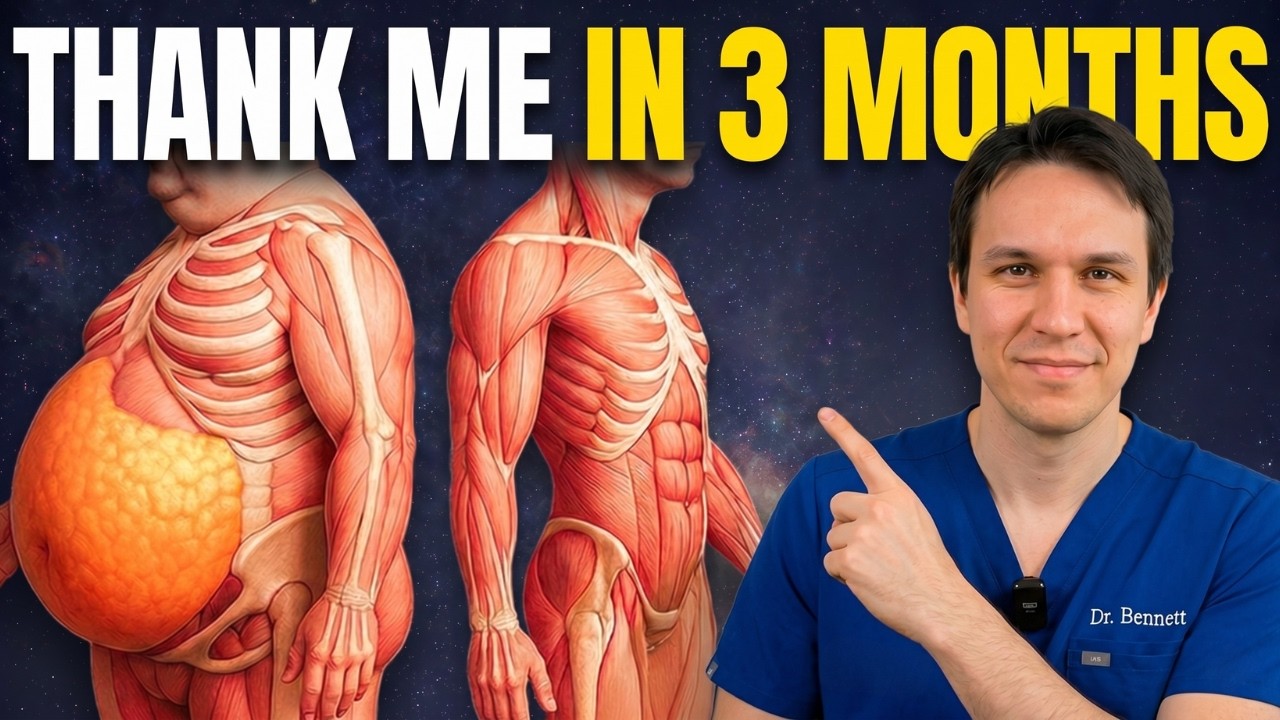
Brief Summary
In this lecture, Dr. Bennett addresses the challenges of losing visceral fat, a type of fat that behaves differently from subcutaneous fat. He explains that traditional weight loss strategies often fail to target visceral fat effectively. The key points include:
- Distinction between visceral fat and subcutaneous fat, with visceral fat being deeper and more harmful.
- The role of insulin and cortisol in regulating visceral fat.
- Effective strategies combining dietary changes, fasting, cortisol management, exercise, and adequate protein intake.
Understanding Visceral Fat
Dr. Bennett introduces the concept of visceral fat, explaining how it is distinct from subcutaneous fat and its significant health risks, including blood pressure, blood sugar, cholesterol, and increased risk for heart disease, diabetes, and cancer. He points out that conventional weight loss methods often neglect the unique nature of visceral fat, which operates under different biological rules. Understanding these nuances is vital for effective fat loss strategies.
The Role of Hormones
The lecture discusses the hormonal aspect of visceral fat, specifically the influence of cortisol. Dr. Bennett emphasizes that visceral fat is not simply energy storage but an active endocrine organ that produces harmful signals affecting metabolism. High levels of cortisol, particularly from stress and poor sleep, lead to increased visceral fat storage, creating a detrimental cycle.
Insulin Reduction
Dr. Bennett introduces insulin reduction as a crucial strategy for visceral fat loss. He explains that high insulin levels can prevent fat from being released from fat cells, thus keeping visceral fat locked. The primary intervention involves eliminating sugar, refined carbohydrates, and frequent snacking, which keeps insulin elevated. This step paves the way for employing other strategies effectively.
Time-Restricted Eating and Fasting
In this section, the importance of time-restricted eating and fasting for lowering insulin is highlighted. During fasting, visceral fat can become more accessible, allowing for quicker results in waist size changes compared to overall weight. Dr. Bennett encourages adopting consistent fasting periods to maximize fat mobilization.
Cortisol Management
Dr. Bennett addresses cortisol management as a fundamental lever for visceral fat loss. He explains that chronic stress and poor sleep contribute to elevated cortisol and how they can hinder fat loss efforts. Adequate sleep and effective stress management techniques are presented as essential components for disrupting the cycle that maintains visceral fat.
Resistance Training
Resistance training is discussed as a powerful tool for reducing visceral fat. Dr. Bennett contrasts it with cardio exercises, noting that intense cardio can raise cortisol levels and isn't as effective for building lean muscle. Strength training boosts metabolism through growth hormone production and enhances insulin sensitivity without prolonged cortisol elevation.
The Importance of Protein
Adequate protein intake is highlighted for its role in preserving lean muscle mass, which is critical during calorie restriction. Dr. Bennett explains that sufficient protein consumption promotes fullness and supports overall metabolic health. Centering meals around protein sources is recommended for better managing appetite and improving insulin sensitivity.
Integrating Strategies
Dr. Bennett emphasizes the synergy among all discussed levers – insulin and cortisol management – to effectively unlock visceral fat. Each lever contributes to a holistic approach where addressing both hormones simultaneously can significantly enhance fat loss results, highlighting the importance of consistency and comprehensive strategies.
Safety Considerations
The final section outlines critical safety considerations before implementing these strategies, particularly for individuals with specific health conditions, such as type 2 diabetes. Dr. Bennett stresses the need for medical supervision when making drastic dietary changes or fasting, ensuring that health remains a priority in this weight loss approach.
Final Thoughts on Visceral Fat
Dr. Bennett concludes by reminding viewers that visceral fat often accumulates due to years of metabolic disruption and that effective reduction takes time and consistent effort. He encourages confidence in the body’s ability to respond positively to changes in hormonal conditions, instilling hope for those struggling with visceral fat reduction.

