
Brief Summary
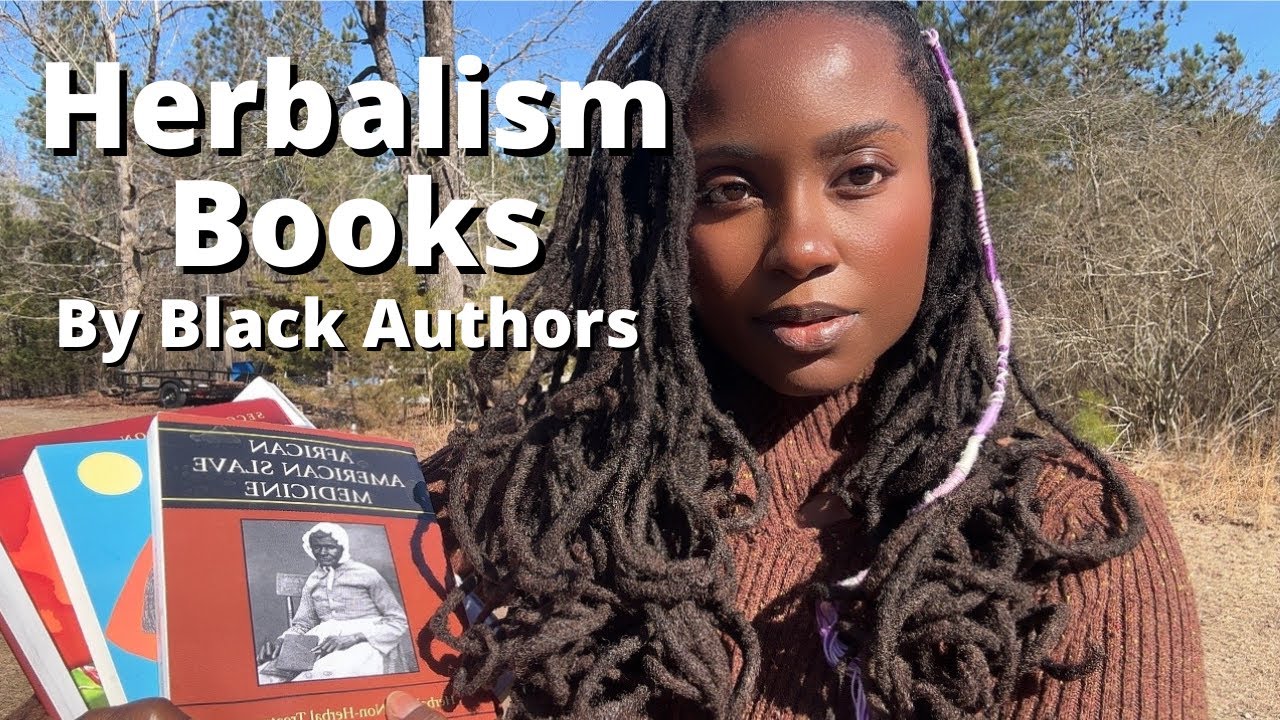
Abrio from Beauty Herbs & Tea shares her favorite herbalism books by Black authors for Black History Month, focusing on African-American herbs, spirituality, medicine, and hoodoo. She highlights books that explore the history, use, and significance of these practices, emphasizing their role in survival and empowerment during slavery and beyond. She also touches on the importance of respecting these traditions and using the knowledge for research purposes, especially for those outside the African-American community.
- Focus on herbalism books by black authors
- Highlights books that explore the history, use, and significance of African-American herbs, spirituality, medicine, and hoodoo
- Hoodoo is a closed practice
Introduction
Abrio introduces the video's focus on herbalism books by Black authors in honor of Black History Month. She emphasizes that the selection will specifically highlight books covering African-American spirituality, herbs, medicine, and hoodoo, exploring the historical context and significance of these practices within the African-American community.
African-American Slave Medicine
Abrio recommends "African-American Slave Medicine" as a key resource for researching traditional African-American herbs and their uses. She used this book for her classes on medicine of enslaved Africans. The book includes quotes from enslaved people about how they used herbs for tea, and other remedies. She describes it as a historical reference for understanding how ancestors utilized herbs for food, medicine, and survival, including knowledge learned from Native Americans and herbs brought to America.
Working the Roots by Michelle E. Lee
Abrio highly recommends "Working the Roots" by Michelle E. Lee, praising its narrative style that includes interviews and stories from people in the early 1900s. The book details how herbs and remedies were used and passed down through generations. It contains pictures, a list of herbs used, herbal profiles, and herbal recipes, making it a valuable resource for understanding African-American medicine.
Conjuring the Calabash by Maui Bmani
Abrio introduces "Conjuring the Calabash" by Maui Bmani, a practical guide to hoodoo magic, spells, and rituals. She appreciates the author's real and engaging writing style, which makes learning about traditional African-American practices accessible. The author, Maria Bmani, is teaching a class on hoodoo rituals in the Bipac Herbalism Community School. Abrio highlights the prevalence of hoodoo traditions in everyday life, often unrecognized, and clarifies that the term "superstition" is a colonized term used to undermine traditional spiritual practices.
Mojo Working and The Conjuring of America
Abrio recommends "Mojo Working" for its extensive history of hoodoo, covering its origins, development, and continued use. She then introduces "The Conjuring of America," which explores over 400 years of Black magical women, including hoodoo workers and spiritual practitioners, detailing their use of medicine for survival.
African-American Folk Healing by Stephanie Y. Mitchum
Abrio presents "African-American Folk Healing" by Stephanie Y. Mitchum, which uses a narrative interview style to explore the historical use of herbs and medicine for healing, rituals, and protection. The book demonstrates how herbs, charms, and rituals continue folk healing performances. It also links these practices to expressions of faith and holistic epistemology, highlighting differences between African-American views of wellness and illness and those of institutional medicine.
Jumbalaya by Louisa Teiche
Abrio recommends "Jumbalaya" by Louisa Teiche, which explores traditional African and African-American spirituality, including hoodoo and voodoo. Written in a first-person narrative, the book details the author's personal journey of learning about herbs, medicine, and rituals. Abrio appreciates the conversational style of the book, comparing it to a conversation with an auntie.
Final Thoughts and Recommendations
Abrio summarizes the list of books that explore African-American herbs, spirituality, hoodoo, and healing. She clarifies that these are not traditional herbalism books but resources to explore African-American culture. She advises non-African Americans to use these books for research purposes only, respecting that hoodoo is a closed practice. She promotes the upcoming hoodoo water rituals class and encourages viewers to share their favorite herbalism books by Black authors in the comments.

