
Brief Summary
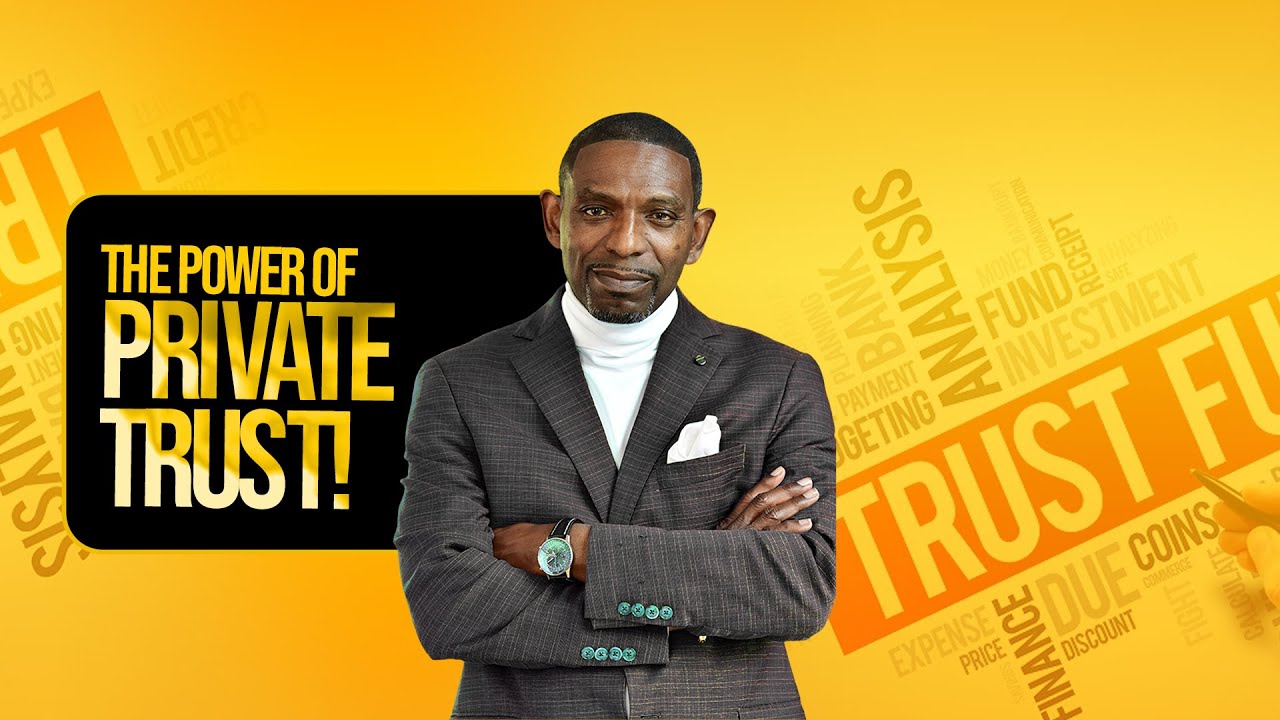
This video explains the power and control gained through a private, irrevocable, tax-free common law trust. Rick Williams shares insights from his own trust, emphasizing the importance of being the grantor and trustee to maintain total control and privacy. He contrasts this with statutory trusts and living trusts, which he argues offer less protection and control.
- Importance of being both the grantor and trustee of your own trust.
- Benefits of a private, irrevocable, tax-free common law trust over statutory and living trusts.
- The necessity of understanding and using precise language in trust documents to ensure control and protection.
Introduction to Trusts
Rick Williams introduces the topic of trusts, specifically focusing on the power and control they can provide. He emphasizes the importance of generational language within these trusts, which can significantly alter one's business operations and life. The core of their business revolves around creating trusts that enable individuals to operate with significant control. He invites viewers to join the Financial IQ Challenge to learn more about creating trusts, mentioning that personal appointments are not available and the challenge is the primary way to engage with their services.
Key Elements of a Powerful Trust
Rick Williams begins to read from his own trust document to illustrate its power. He highlights that in their trusts, the individual is the grantor, meaning they are in control and have created the trust themselves, not an attorney unfamiliar with common law. He reiterates that creating a trust is only valuable if one understands how to operate it, which is taught in their challenge. He emphasizes that this knowledge is a lifestyle, ensuring wealth for generations and protecting family assets.
Control and Generational Wealth
Rick Williams reads from page three of his trust, which includes a "Notice of Special Meeting" from himself as the grantor to himself. He emphasizes the power of having a meeting with oneself, ensuring no interference. He contrasts this with a "money weak" mindset, advocating for infusing power into one's financial life through a private trust.
Privacy and Power in Trust Creation
Rick Williams explains that the grantor creates the trust, not an attorney, and criticizes attorneys who don't understand common law. He advises against making children the sole trustees, suggesting co-trustees or successor trustees instead, to maintain control and anonymity. He asserts that privacy equals power, urging viewers to remember this principle. He clarifies that while they are private, they are not secret, distinguishing themselves from cults and emphasizing their foundation in biblical and constitutional law.
Meeting of the Minds and Trust Purpose
Rick Williams continues reading from his trust, highlighting the "special meeting" with himself to discuss the creation of the trust. He emphasizes the unique experience of writing a letter to oneself, describing it as "cold-blooded." He notes that private, irrevocable, tax-free trusts are "as cold as it gets," and encourages viewers to join the challenge to learn more.
Trust Creation Timeline and Language
In response to a question, Rick Williams states that their private irrevocable trusts typically take two to three weeks to create, based on how quickly the client fills out the trust intake paperwork. He reads from his trust, emphasizing the language used, such as "a meeting is hereby called to discuss the creation of a trust under the common law."
Gratitude and Trust Deposits
Rick Williams expresses gratitude for safety during a recent storm in Florida and addresses a question about getting trust deposits back. He explains that to get deposits back, the trust must be tax-free and irrevocable, and certain forms like 1099A and 1099OID must be filed. He reiterates that the challenge is the best way to learn these details.
Control and Cordial Agreement
Rick Williams reads further, emphasizing his role as the grantor in total control, with the meeting being "cordially signed by" himself. He encourages viewers to read his book "Control Everything or Nothing" to understand how to gain control in their own lives.
Minutes of Special Meeting and Private Contract
Rick Williams reads from the "minutes of special meeting of the minds to create a trust by private contract." He explains that this allows adding or removing items from the trust at one's discretion. He highlights that the grantor is also the trustee, and when filing a trust tax return (1041), one indicates that they are both the grantor and trustee.
Excitement and Speaking Your Mind
Rick Williams expresses excitement about having a meeting with oneself and encourages viewers to feel the same enthusiasm. He clarifies that he's discussing a private, irrevocable, tax-free trust that allows individuals to reclaim bank deposits and protect assets from taxation and lawsuits. He emphasizes the importance of speaking one's mind and not being controlled by others, as the trust ensures that one's assets are protected.
Private vs. Public Operation
Rick Williams emphasizes the power of a private trust, contrasting it with public operation where one has no privacy. He uses the analogy of a public bathroom versus a private one with a vault. He encourages viewers to put "no objection" in the chat, signifying their readiness to receive their money.
Benefits of a Private Trust
Rick Williams outlines the benefits of a private trust, including the ability to reclaim bank deposits, operate in privacy, have assets protected as trust assets, pay bills in the name of the trust, and potentially have tax credits left over. He encourages viewers to "take yourself to court" rather than relying on public courts.
Reading the Private Contract
Rick Williams asks viewers if they want him to continue reading from his private contract, and upon receiving positive responses, he continues. He emphasizes that he is literally reading his trust to the audience, explaining the dynamic wording and the power of common law trusts.
Government Serving You
Rick Williams asserts that the government was meant to serve the people, not the other way around. He criticizes the idea of serving a company and encourages viewers to learn how to establish a trust to gain control.
Special Meeting and Unanimous Agreement
Rick Williams reads from his trust, noting that a special meeting was convened to arrange for the creation of the trust, with himself as both the grantor and proxy. He highlights the unanimous agreement to create the trust, emphasizing that a trust makes one congruent with oneself.
Agreeing with Yourself
Rick Williams emphasizes the importance of agreeing with oneself to get paid, encouraging viewers to put "I agree" in the chat if they agree with being rich and private. He stresses that one doesn't need others to agree, as long as they agree with themselves.
Control and Private Rights
Rick Williams reiterates that when you agree with yourself and are the only decision-maker, others' opinions don't matter. He reminds viewers to get his book "Control Everything or Nothing" to learn how to gain control. He emphasizes the power of words in the trust document and the importance of agreeing with oneself.
Trust Creation Under Common Law
Rick Williams reads that "the trust shall be created under American common law," recounting a story of opening his trust at Regions Bank and asserting its common law basis. He encourages viewers to "believe that" and not be intimidated.
Common Law vs. Statutory Trust
Rick Williams emphasizes that operating under private common law is essential for control, contrasting it with statutory trusts. He recounts banks offering to create trusts for him, which he rejected because he doesn't trust them. He criticizes living revocable statutory trusts as glorified wills that can be challenged in court.
Irrevocable Trust and Beautiful Language
Rick Williams clarifies that an irrevocable trust means it can't be challenged later, unlike revocable trusts that end up in court. He uses Michael Jackson's estate as an example. He emphasizes that only a "buster" would sell a revocable trust. He urges viewers to investigate and educate themselves, inviting them to the challenge.
American Common Law and Three Amigos
Rick Williams states that American law is common law, while the United States Corporation of America law is statutory law. He expresses pride in being an American and operating under common law. He references Shadrach, Meshach, and Abednego as examples of those who don't bow down to idols, asking viewers if they are one of the "Three Amigos."
Irrevocable Trust and Duly Changed
Rick Williams explains that even though his trust is irrevocable, it can be "duly changed." He addresses misconceptions about irrevocable trusts, telling viewers to disregard those who speak without knowledge.
Trustee Appointment and Total Control
Rick Williams reads from the "trustee appointment" section, emphasizing that he, as the grantor, is appointing himself as the trustee. He highlights the beautiful language and the importance of total control when dealing with money.
Beautiful Language and Conditional Acceptance
Rick Williams emphasizes the importance of beautiful language in the trust document. He reads, "conditional to your acceptance, you have been appointed trustee," highlighting how this language reflects self-respect and autonomy.
Total Control and Zero Liability
Rick Williams explains that as trustee, one has total control but zero liability for mistakes made within the trust (excluding illegal activities). He encourages viewers to attend the challenge and read his book to learn more.
Acceptance and Certificate of Trust
Rick Williams shares that he accepted the appointment of being a trustee from himself, the grantor. He introduces the "certificate of trust," which "seals the deal." He reads from the certificate, emphasizing that the trust is currently in full force and effect.
Full Force and Effect
Rick Williams reads from the certificate of trust, emphasizing that the trust is in "full force and effect." He highlights that the bank doesn't need to do anything for the trust because it's already complete.
Coming Correct to the Bank
Rick Williams stresses the importance of "coming correct" to the bank, meaning having everything in order and not needing their help. He warns against accepting interest on the account, as it can compromise privacy and control.
Private and Non-Negotiable
Rick Williams reads that the trust provisions are of a "private non-negotiable nature." He explains that he's sharing his trust due to the recent storm in Florida and the need for people to have their affairs in order.
Non-Negotiable Nature and Distribution
Rick Williams emphasizes the "non-negotiable nature" of the trust provisions, meaning no one can negotiate the trust after he's gone. He contrasts this with Michael Jackson's estate, which is currently being negotiated.
No Handcuffs and True, Correct, and Complete
Rick Williams emphasizes that the trust does not modify the financial powers of the trustees, meaning there are "no handcuffs." He reads the declaration that the statements are "true, correct, and complete under penalty of perjury under the laws of the United States of America."
Signature Page and Sound Mind
Rick Williams reads from the signature page, emphasizing that the declaration of trust was signed by him as trustee and grantor, and that he was of "sound mind" at the time of signing. This prevents future challenges to the trust's validity.
That's Game and Revocable Trust
Rick Williams criticizes the $700 million re-evaluation of Michael Jackson's estate as "game," attributing it to the revocable nature of his trust. He contrasts this with the protection offered by a common law tax-free irrevocable trust.
Challenge and Control
Rick Williams encourages viewers to join the challenge and read his book "Control Everything or Nothing" to learn more. He reiterates that when going to the bank, everything should already be done, and the bank's only job is to open a non-interest-bearing account.
Not Interested and Subscribe
Rick Williams warns against accepting interest from the bank, as it can compromise privacy. He asks viewers to put "not interested" in the chat and encourages them to subscribe to his YouTube channel, "Rick the Wealth Coach," to help spread the information.
Blessing and Gratitude
Rick Williams expresses his love and gratitude to the viewers, thanking them for their prayers for those affected by the storm in Florida. He acknowledges and appreciates new subscribers, encouraging them to watch the recorded live stream as many times as they want. He concludes by wishing everyone a blessed day.

