
Brief Summary
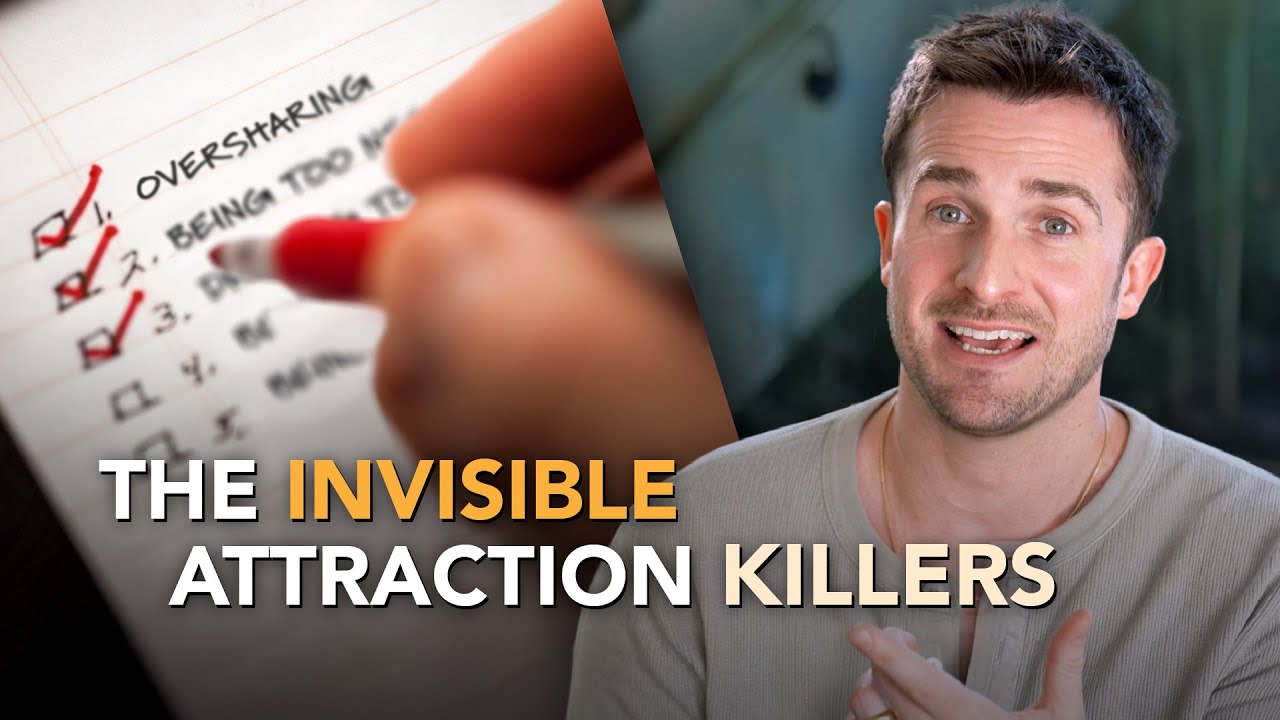
This video discusses five common behaviors that can unintentionally push people away in dating. These include oversharing, negativity, excessive drinking, too much intensity, and poor listening skills. The video provides insights into why these behaviors occur and how to avoid them, emphasizing the importance of self-awareness and genuine connection.
- Oversharing creates discomfort and breaks trust by revealing too much too soon.
- Negativity, even in subtle forms, can dim the experience of others.
- Excessive drinking can alter one's personality and impair judgment.
- Too much intensity, through neediness or over-familiarity, can overwhelm potential partners.
- Poor listening prevents genuine connection and makes others feel unseen and unheard.
When Someone Fades
It can be disheartening when someone you're interested in starts to fade away, losing interest and disconnecting. While this can often be due to the other person's own issues, it's worth considering whether your own behaviors might be contributing to the distance. Identifying and addressing these behaviors can help improve your chances of building successful relationships.
#1 When We Overshare
Oversharing involves revealing too much personal information too early in a relationship, before a sufficient level of trust and intimacy has been established. This can include discussing insecurities, past traumas, or negative experiences in detail. Oversharing can make the other person uncomfortable and create a sense of unease, as they may not be ready for that level of vulnerability.
Why We Do This
People overshare for various reasons, including anxiety, avoidant tendencies, excessive trust, or normalization from environments like therapy. Anxious individuals may talk excessively, while avoidant people might preemptively reveal flaws to control potential rejection. Some overshare due to being overly trusting or because they're used to sharing personal details in therapeutic settings, failing to recognize the different context of a date. Regardless of the reason, oversharing can damage relationships by overwhelming the other person and violating trust.
#2 Negativity
Negativity, in the context of dating, refers to the overall feeling one leaves with others after an interaction, not just overt negativity. It's about whether you leave people feeling better or worse after spending time with you. Even seemingly innocuous complaints or constant expressions of being overwhelmed can create a negative atmosphere. The goal is not relentless positivity, but rather bringing a constructive energy to interactions.
“Am I Leaving People Better Than I Found Them?”
Positivity isn't always about finding the bright side; it's about the energy you bring to a situation. A story about movie director John Turtletaub, who, despite facing potential loss during wildfires, injected humor and wit into a news interview. This lightheartedness, even in a dire situation, lifted the spirits of those around him, demonstrating the power of leading with positive energy. By injecting his playfulness and wit into a difficult situation, he left people better than he found them.
A Helpful Tool in Dating
Matthew Hussey introduces Matthew AI, a tool designed to provide personalized advice on dating and relationships. Users can ask questions about various scenarios, role-play conversations, and receive tailored guidance. A testimonial highlights how Matthew AI helped someone navigate a difficult dating experience and think more positively.
#3 Drinking Too Much
Consuming too much alcohol on a date is a common mistake that can push people away. Even if it feels like it's helping you relax, excessive drinking can alter your personality and impair your judgment. It can lead to saying things you wouldn't normally say and losing control over your ability to connect effectively. Being mindful of alcohol consumption and considering daytime dates can help avoid this pitfall.
#4 Too Much Intensity
Too much intensity in dating can manifest in several ways, including excessive neediness, over-familiarity, and over-investment. Neediness involves demanding excessive attention and reassurance early on. Over-familiarity includes using pet names or assuming a level of intimacy that hasn't been earned. Over-investment means providing excessive emotional or supportive responses that are disproportionate to the situation. Another form of intensity is self intensity, which involves reading too much into situations and giving unsolicited advice.
#5 When We Don’t Listen
Failing to listen effectively is a significant barrier to connection. This can stem from anxiety, ignorance, arrogance, or even narcissism. Anxious individuals may be too focused on what they're going to say next, while arrogant people may believe they have nothing to learn from others. Poor listening prevents others from feeling seen, understood, and truly connected with.
Curiosity Makes Another Person Feel Heard
To become a better listener, avoid rushing to conclusions and instead focus on observing and understanding the other person's perspective. Drawing from Haruki Murakami's advice to novelists, refrain from making quick judgments and instead retain the specifics of the situation. Curiosity and asking questions make the other person feel heard and understood.
What About You?
The video encourages viewers to reflect on whether they have exhibited any of the discussed behaviors or observed them in others. It prompts viewers to share their experiences and additional insights in the comments. The video also reminds viewers to explore Matthew AI for personalized dating advice and provides a list of suggested prompts in the description below.

