
Brief Summary
This video discusses the advantages of using a simple and inexpensive alternative to traditional gas generators, focusing on a DIY power box commonly used by the Amish that can sustain your home during power outages. Key takeaways include the low cost of setting up this system, the methods for building a thermal water sun barrel, and the historical context surrounding off-grid energy solutions.
- The Amish power box can keep essential appliances running during outages at a fraction of the cost of gas generators.
- The system incorporates passive energy sources and is backed by historical practices to ensure resilience and independence.
The Problem with Expensive Gas Generators
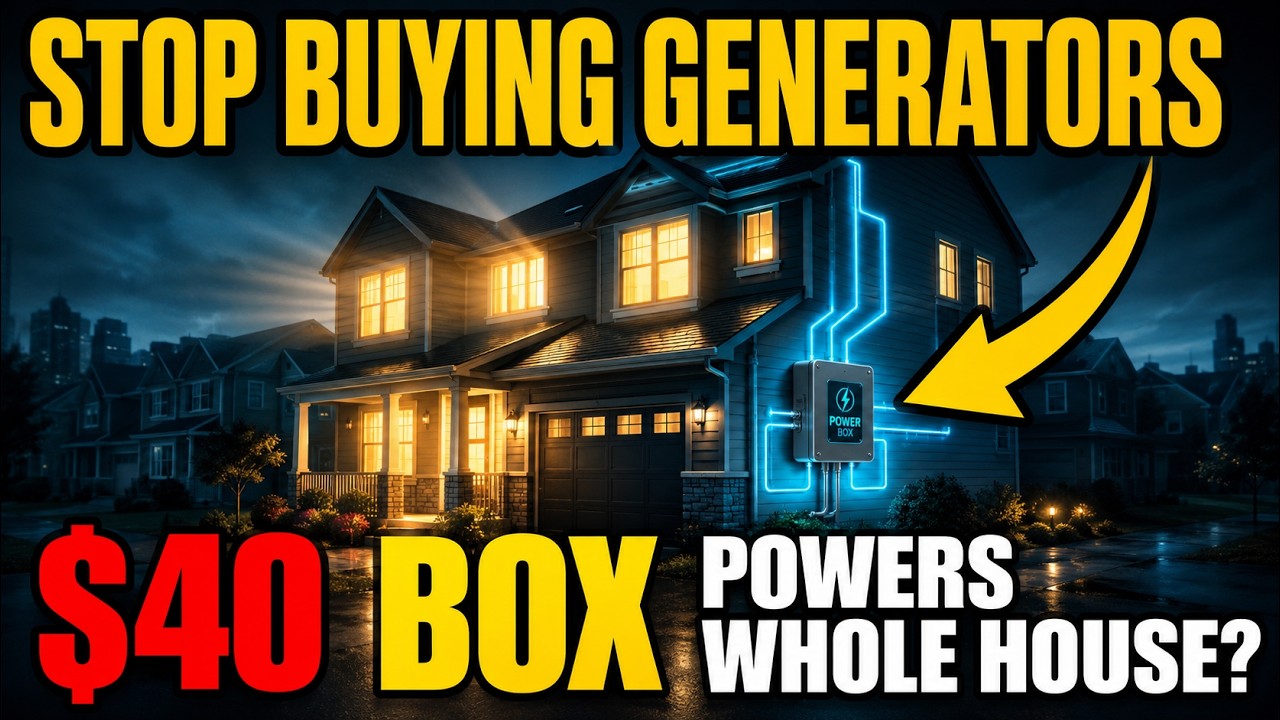
The video begins with a scenario where a household is in darkness due to an extended power outage, while neighbours rely on costly gas generators. In contrast, an effective and quiet solution lies within a wooden cabinet setup costing about $40, which comprises basic components including a deep cycle marine battery and an inverter. This method offers a sustainable alternative to modern power infrastructure and has been in use by Amish families for decades.
What is Inside the $40 Amish Power Box Cabinet
Inside the Amish power box, there is a standard deep cycle marine battery paired with an inverter, which converts battery power into usable electricity. The total cost for crucial components is minimal, ensuring that homes can gather energy from various sources, preventing reliance on a single electric grid. This distributed energy approach has been demonstrated to enhance resilience during blackouts.
The 1923 Power Grid Industry Roadblock and Secret Report
In a 1923 report, the National Electric Light Association expressed concern over rural self-supply of electricity, suggesting campaigns to undermine the practice. This led to disinformation aimed at making homemade power generation seem outdated, ultimately contributing to a dependence on larger power companies. Despite such efforts, the Amish continued to prove the effectiveness of their power methods without compromise.
Step-by-Step DIY Power Box Build Blueprint
The speaker outlines a clear blueprint for constructing the power box, requiring a deep cycle marine battery, an inverter, and a trickle charger. With minimal components and tools, individuals can create their own power source without needing extensive renovations or professional help. This setup can power essential appliances, boasting a practical application for anyone longing for energy independence.
Layer Two: Stacking Micro Solar Trickle Panels
The second layer of this energy setup introduces solar trickle panels, which add passive energy collection. By stacking multiple panels, homeowners can increase the energy output without substantial cost. Research shows that such systems provide significant energy efficiency, further enhancing off-grid living capabilities.
The Forgotten 1944 USDA Emergency Power Booklet
The speaker shares insights from a USDA document published in 1944, which describes a thermal battery made from a 55-gallon drum filled with water that captures solar heat during the day. This low-cost method can significantly enhance home heating at no operating cost, showcasing a forgotten yet effective strategy for maintaining warmth.
How to Build a Free Energy Thermal Water Sun Barrel
A thermal sun barrel setup can be easily constructed using a painted barrel to absorb solar heat. Positioned correctly, the barrel can retain and radiate warmth throughout the night, acting as a silent heating solution. The affordability and simplicity of creating these barrels offer an effective means of reducing heating expenses.
Historical Lessons in Off-Grid Energy Independence
The video shifts focus onto historical examples of energy independence, particularly in the context of blackouts in 1965, where many rural families remained unaffected due to their off-grid systems. This independence has dramatically declined over time, with less than 0.5% of homes today being self-sufficient.
Margaret Sutter and Documenting the Old Ways of Survival
The life of Margaret Sutter, who documented traditional survival skills from her Amish community, is explored. Her journal contains invaluable insights into self-sufficiency, showcasing methods for preserving food and maintaining warmth without modern conveniences. These skills illustrate a deep-rooted knowledge that is fading away from modern consciousness.
Realities of Power Grid Failures and Historical Blackouts
The speaker analyses various power grid failures and their effects on the population. Past crises have highlighted how unprepared many have become as society relies more heavily on electrical infrastructures. The stark contrast between the lives of those with energy independence and those reliant on the grid is presented.
Rungs on the Ladder to Complete Water and Food Independence
The video highlights further steps to achieve completeness in self-reliance, such as rainwater harvesting and using traditional food preservation methods. These practices conserve resources and ensure stability during crises, returning to foundational survival techniques that were standard prior to modern advancements.
Rocket Mass Heaters for Extreme Winter Heating Efficiency
Rocket mass heaters represent an innovative way of achieving high efficiency in wood heating. These stoves require significantly less wood compared to conventional methods while maximizing heat retention, providing an ideal solution for winter heating on a smaller fuel budget.
Limitations and Real-World Specs of the $40 Battery Box Setup
The video addresses the limitations of the $40 battery box system, clarifying that while it is effective for small appliances and basic needs, it cannot support high-demand devices like air conditioners or large heaters. Understanding the scope of the setup encourages practical expectations and efficient usage.
Hugh Bennett and the Threat of Manufactured Dependence
Hugh Bennett’s warning regarding growing dependence on corporate-controlled energy systems is shared. He voiced concern over the loss of skills in achieving self-sufficiency and the implications that such reliance could have on society, a philosophy relevant today amidst ongoing power uncertainties.
Recent Power Grid Crises and the Necessity of True Preparedness
Recent events are cited to illustrate failures in the power grid, emphasizing the urgency of adopting self-sufficient strategies. The discussion reflects on the vulnerabilities in societal reliance on the grid and the increased frequency of emergencies, further reinforcing the need for individual preparedness.
Final Component Specs and Hardware Store Shopping List
Finally, the video provides a detailed shopping list and instructions for constructing the battery box and thermal sun barrel. The information covers specific types of batteries, inverters, and additional components necessary to build a reliable backup power solution on a budget, ensuring accessibility for viewers.

